 Chinese
  English
  Japanese
  Spanish
  Portuguese
  German

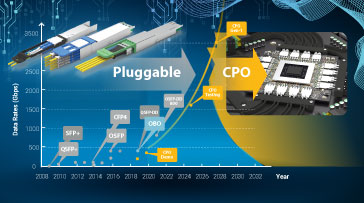
CPO vs Pluggables: Performance, Power, and Scalability Benchmarking in the 800G–3.2T Era
How much efficiency can co-packaged optics deliver? This article compares traditional pluggable architectures with CPO, examining power consumption, bandwidth density, signal integrity, and scalability across next-generation network designs.
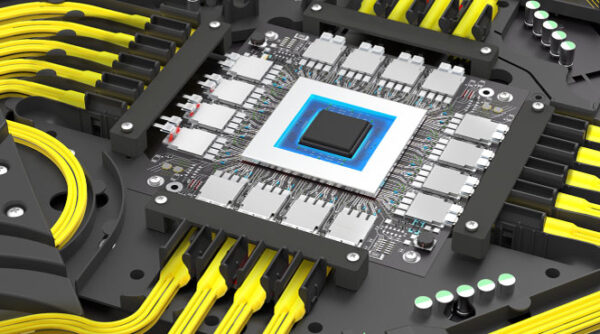
Enabling Scalable Co-Packaged Optics: The Critical Role of Optical Connectivity and Fiber Management
As optical engines move closer to the ASIC, connectivity becomes increasingly critical. Discover how fiber management, high-density routing, alignment, and modular connectivity solutions help enable scalable and manufacturable CPO deployments.

The Real Barriers to Co-Packaged Optics: Yield, Reliability, and Serviceability Challenges
While CPO offers significant performance advantages, adoption requires overcoming challenges related to manufacturability, serviceability, testing, and reliability. Explore the practical considerations shaping the industry's path forward.
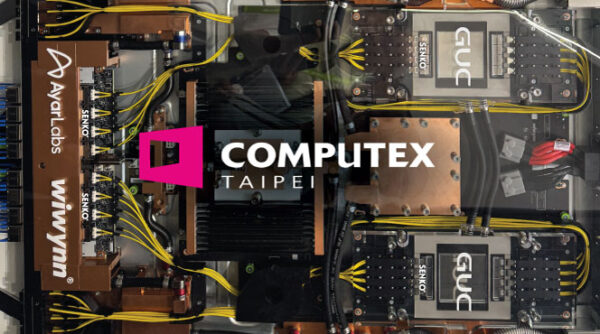
从架构到应用:生态系统协作加速了共封装光模块的发展
This showcase highlights how co-packaged optics is moving beyond concept into system-level deployment, with ecosystem partners demonstrating integration across AI infrastructure platforms and next-generation compute architectures.
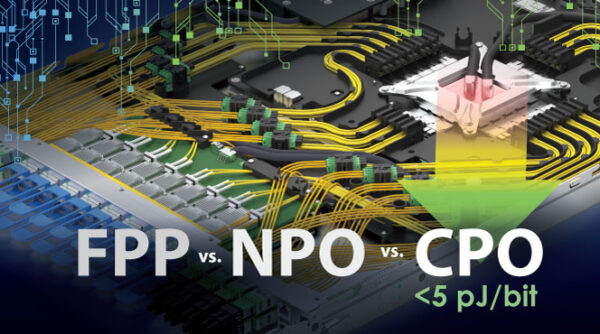
From Pluggable Optics to CPO: The Shift in Thermal and Power Architecture
As AI and HPC systems scale, power consumption per bit is becoming a defining constraint. This article explores how co-packaged optics reshapes the energy equation by reducing electrical losses and improving system-level efficiency.

Reducing Power Through On-board Optical Integration
On-board optics represent a key architectural step toward tighter optical integration. By shortening electrical paths between compute and optics, system designers can reduce loss, improve bandwidth density, and prepare for next-generation photonic architectures.