Portuguese
  English
  Japanese
  Chinese
  Spanish
  German
SN-MT: O facilitador do ELSFP em placas frontais de alta densidade
Nos sistemas de rede modernos, a demanda por maior largura de banda e maior densidade de portas continua a aumentar, impulsionada pela proliferação de aplicativos com uso intensivo de dados, como cargas de trabalho de IA, redes 5G e computação em nuvem em hiperescala. Atender a essas demandas requer abordagens inovadoras para o projeto de interconexões ópticas.

Uma dessas inovações é a combinação do conector multifibra Very Small Form Factor (VSFF) da SENKO, SN-MT, e do módulo External Laser Small Form-Factor Pluggable (ELSFP). Essa combinação permite placas frontais de alta densidade, melhorando o desempenho térmico e a facilidade de manutenção para sistemas ópticos de última geração.
Entendendo o SN-MT
O SN-MT é o conector multifibra VSFF avançado da SENKO, projetado para facilitar a conectividade óptica de alta densidade. Em comparação com os conectores MPO tradicionais, o SN-MT oferece um tamanho físico menor e gerenciamento simplificado de polaridade e chaveamento. Ele suporta configurações multifibra, mantendo baixa perda de inserção e excelente desempenho óptico.
O design compacto do SN-MT:
- Reduz o espaço ocupado pela placa frontal, permitindo mais portas por RU.
- Suporta maior densidade em centros de dados e equipamentos de telecomunicações.
- Mantém um alto desempenho óptico, mesmo em ambientes densamente povoados.
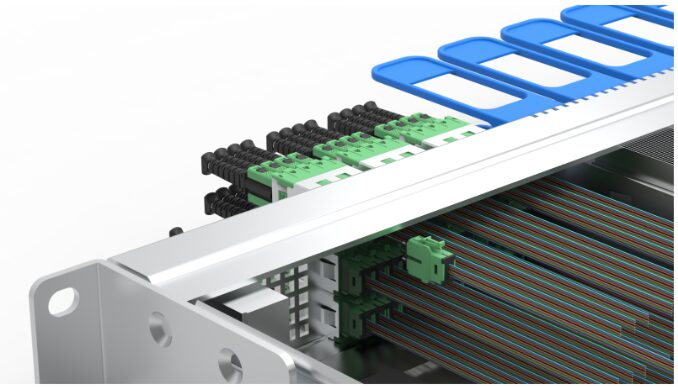
Isso é especialmente valioso em ambientes com espaço limitado, como switches CPO (Co-Packaged Optics) e designs de placas frontais de última geração, onde cada milímetro conta.

O que é o ELSFP?
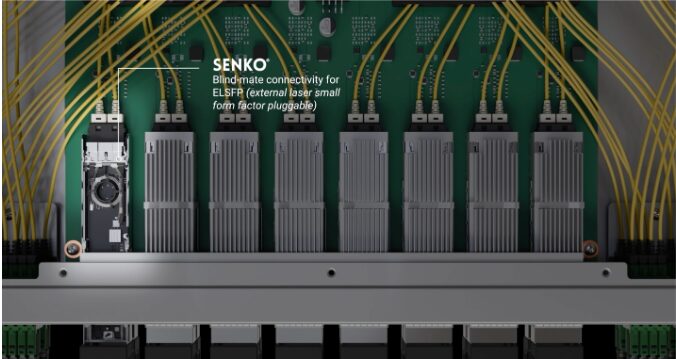
Os módulos ELSFP são fontes de laser externas conectáveis, desenvolvidas sob o acordo de implementação do Optical Internetworking Forum (OIF). Eles fornecem luz laser de onda contínua (CW) para motores ópticos ou módulos ópticos co-empacotados (CPO) localizados em outras partes do sistema.
Captura de tela
Ao transferir a fonte de laser do mecanismo óptico para a placa frontal:
- A carga térmica é reduzida na área do ASIC/motor com alta temperatura.
- A facilidade de manutenção foi aprimorada (os lasers podem ser trocados sem desligar o switch ou o mecanismo óptico).
- A confiabilidade é aumentada mantendo o laser em uma zona com temperatura mais controlada.
A interface óptica de acoplamento cego ELSFP garante uma operação segura para os olhos e conectividade robusta, fornecendo luz laser ao mecanismo óptico por meio de jumpers de fibra.

Como o SN-MT e o ELSFP funcionam juntos
O projeto de placas frontais de alta densidade para equipamentos de rede apresenta vários desafios:
- Maximização da densidade de portas em uma área confinada.
- Gerenciamento do calor proveniente de componentes ópticos e ASIC de alta potência.
- Manutenção de baixa perda de inserção e alta confiabilidade em escala.
A combinação de SN-MT e ELSFP aborda os três aspectos:
- O SN-MT permite mais portas ELSFP por placa frontal, reduzindo o tamanho do conector e melhorando o gerenciamento da fibra.
- O ELSFP desloca o laser gerador de calor para fora do mecanismo óptico, ajudando a manter a estabilidade da temperatura e a precisão do comprimento de onda do laser.
- Juntos, eles maximizam a densidade das portas, melhoram o desempenho térmico e simplificam a manutenção em campo.
Captura de tela
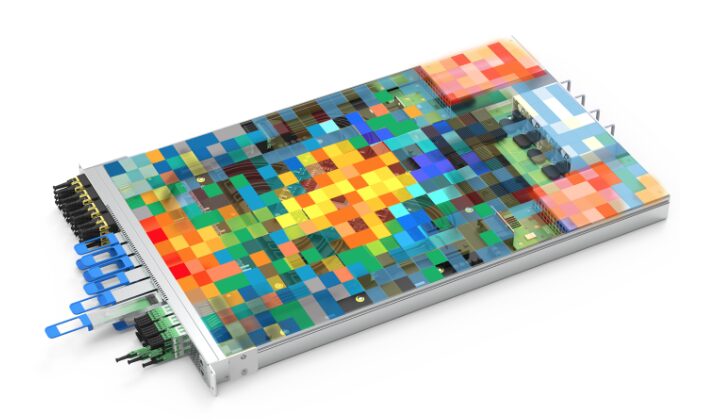
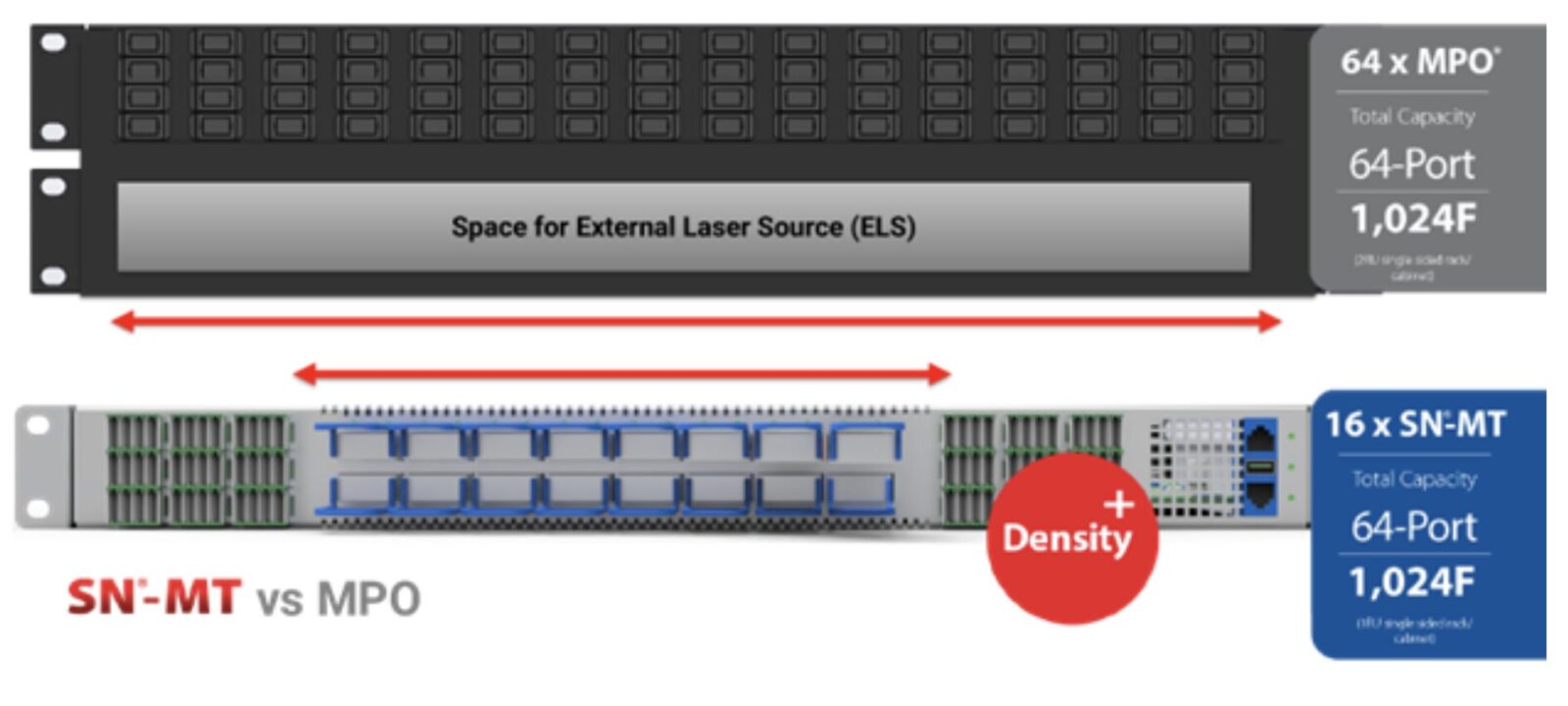
Por exemplo, o design compacto da ponteira do SN-MT permite mais fibras no mesmo espaço em comparação com o MPO, possibilitando uma implantação ELSFP mais densa na placa frontal. Isso resulta em maior largura de banda agregada sem a necessidade de chassis maiores.
A imagem abaixo compara o espaço necessário para acomodar a aplicação do ELSFP com conectores MPO e com conectores SN-MT.
Vantagem do custo por bit
Ao combinar alta densidade de portas (SN-MT) com fontes de laser externalizadas (ELSFP), você reduz o custo total por bit de várias maneiras:
- Necessidade reduzida de gerenciamento térmico complexo dentro do switch.
- Menor consumo de energia por faixa óptica.
- Utilização mais eficiente do espaço em rack, adiando a expansão dispendiosa da infraestrutura.

Conclusão
À medida que os requisitos de rede evoluem para óptica co-empacotada e densidades cada vez maiores, a combinação de SN-MT e ELSFP é um facilitador essencial.
O SN-MT oferece a interface de fibra compacta e de alto desempenho necessária para placas frontais densas, enquanto os módulos ELSFP fornecem fontes de laser confiáveis e substituíveis em campo que mantêm o calor longe dos motores ópticos sensíveis.
Essa combinação permite que os projetistas de rede dimensionem a capacidade, melhorem o desempenho térmico e de manutenção e se preparem para demandas futuras sem comprometer a confiabilidade.

Centro de dados